
Handfasting and Other Unity Ceremonies: Ritual Ideas for Your Ottawa Wedding
There’s something about a wedding ceremony that goes quiet the moment two people do something together with their hands. A ribbon is wrapped. A ring passes from guest to guest. Sand pours into a jar. For a few seconds, your promises become something everyone can see.
That’s the magic of a unity ritual. Handfasting is one of the most loved, but it’s far from the only option. Here’s how a handfasting ceremony works, where it really comes from, and several other ideas for making your Ottawa wedding feel like you.
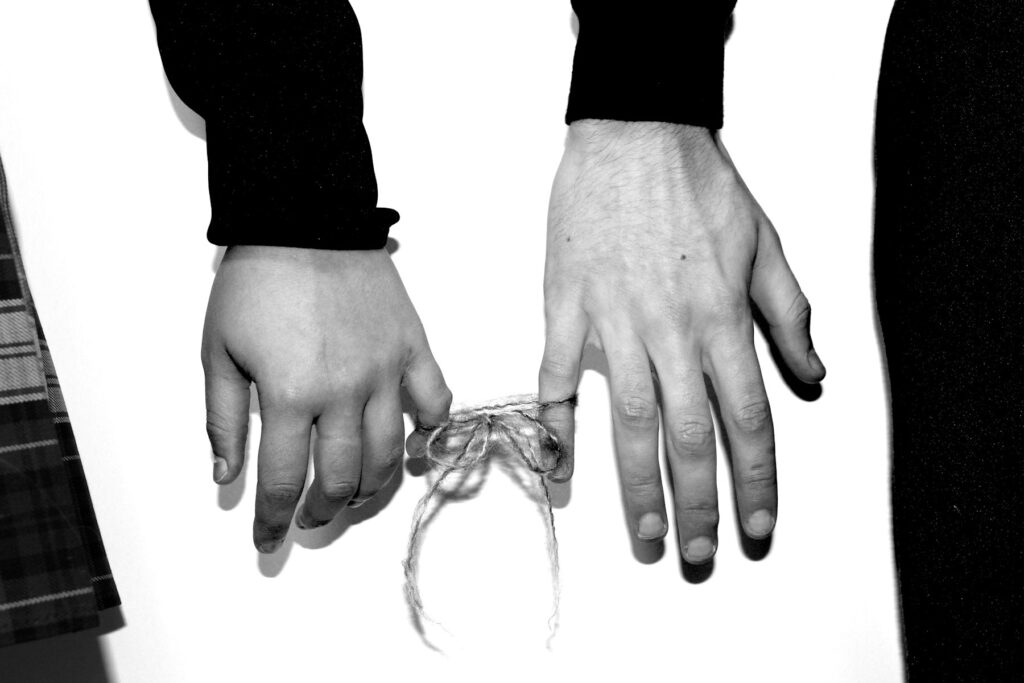
What is a handfasting ceremony?
In a handfasting, a couple’s hands are joined and gently wrapped or tied with ribbons, cords or fabric. It’s a visual symbol of two lives coming together, and it usually happens around the vows or the promises.
It works in any size of wedding, from a backyard ceremony to an elopement with just the two of you. It also has no required religious meaning, so you can make it spiritual, romantic, or simply beautiful.
Where does handfasting come from?
You may have heard that handfasting is an ancient Celtic tradition, or that it was a “trial marriage” lasting a year and a day. It’s a wonderful story, but the history is a little more complicated.
The word itself is old. To “handfast” meant to make a formal promise or contract, and it was especially used for marriage agreements, sealed by joining hands. The trial marriage idea became popular much later, and was helped along by Sir Walter Scott’s 1820 novel The Monastery. The ribbon-wrapped ritual most couples know today is largely a modern revival, embraced by neopagan communities in the twentieth century and later by couples everywhere.
Does that make it any less meaningful? Not at all. A ritual gets its meaning from the people doing it, and yours will be the one that counts. As for “tying the knot,” that may or may not come from handfasting, but it certainly makes for a good line in the ceremony.
How a handfasting works, step by step
There’s no single right way, but here’s a simple flow:
- The introduction: Your officiant explains the ritual and what it means to you.
- Joining hands: You face each other and take hands. Some couples cross their arms to form an infinity shape.
- The wrapping: Your officiant, or the loved ones you’ve chosen, wraps the ribbons around your hands, often with a short promise or wish for each one.
- The knot: The ribbons are tied or gently slipped into a knot as you slide your hands free, leaving it intact.
- The keepsake: Display the knotted ribbons at home, as a daily reminder of your day.
Tip: Plan who holds the ribbons, and practise slipping your hands out at your ceremony rehearsal. Nobody wants to be permanently attached before the first dance. Well, not literally.
Choosing your ribbons
This is where handfasting becomes truly personal. You could use:
- Your wedding colours
- A family tartan
- Ribbon or lace from a parent’s or grandparent’s wedding
- Fabric from a meaningful piece of clothing
- A strip for each family, each child, or each country you call home
You can also give each colour a meaning, such as patience, joy, friendship or adventure, and invite a loved one to tie on each one. It’s a lovely way to include people without asking them to give a speech.
Other unity rituals to consider
Ring warming
Your rings are passed from guest to guest before the exchange, and each person holds them for a moment and silently offers a wish. It’s ideal for smaller gatherings. For a big guest list, try it with just the front rows, or the ceremony could run long.
Sand ceremony
Each of you pours a different colour of sand into one container, creating a blend that can never be separated. Children and family members can join in too, which makes it a gentle way to honour a blended family. If your ceremony is outdoors, plan for the wind.
Wine ceremony
You each pour a different wine into one glass, then share a sip. Or seal a bottle of wine and love letters in a box to open on a future anniversary.
Tree planting
Pour soil from two meaningful places around a young tree or plant, then bring it home to grow alongside your marriage. Beautiful for a couple who loves the outdoors.
Create your own
Some of the best rituals don’t have a name. If you met over coffee, blend your two favourites. If you’re both from different places, share a food from each. If it says something true about you, it belongs in your ceremony.
Planning a ritual for an Ottawa ceremony
A few practical thoughts for local couples:
- Mind the weather. Our outdoor spots are gorgeous, but breezes and sudden showers are part of the deal. Handfasting and ring warming cope better with wind than sand does.
- Check with your venue. Ask about what’s allowed before you plan anything involving candles, sand or pouring. This is especially important in public parks and gardens.
- Dress for it in winter. Cold fingers and tiny knots don’t mix. Keep it simple, and consider a thicker ribbon.
- Keep it short. Three to five minutes is plenty for most rituals.
- Include both languages. For bilingual families, a ritual is a beautiful moment to speak in both English and French.
- Remember the photographer. Let them know what’s coming so that they’re in the right spot.
How to choose the right ritual
Ask yourselves three questions. What do we want this moment to say? Who do we want to include? And does it feel like us, or does it just look nice on Pinterest? If a ritual feels awkward, skip it. Your ceremony will be meaningful with or without one. A unity ritual is a lovely extra, and it has no bearing on the legal side of your marriage.
Let’s add a little magic to your ceremony
From handfasting and ring warming to sand ceremonies and something entirely your own, we love helping couples find the ritual that fits their story. Every Merry Fairy wedding ceremony includes ritual guidance and a personalized script, in English, French or both.